
Ecdysterone during cutting: does it help
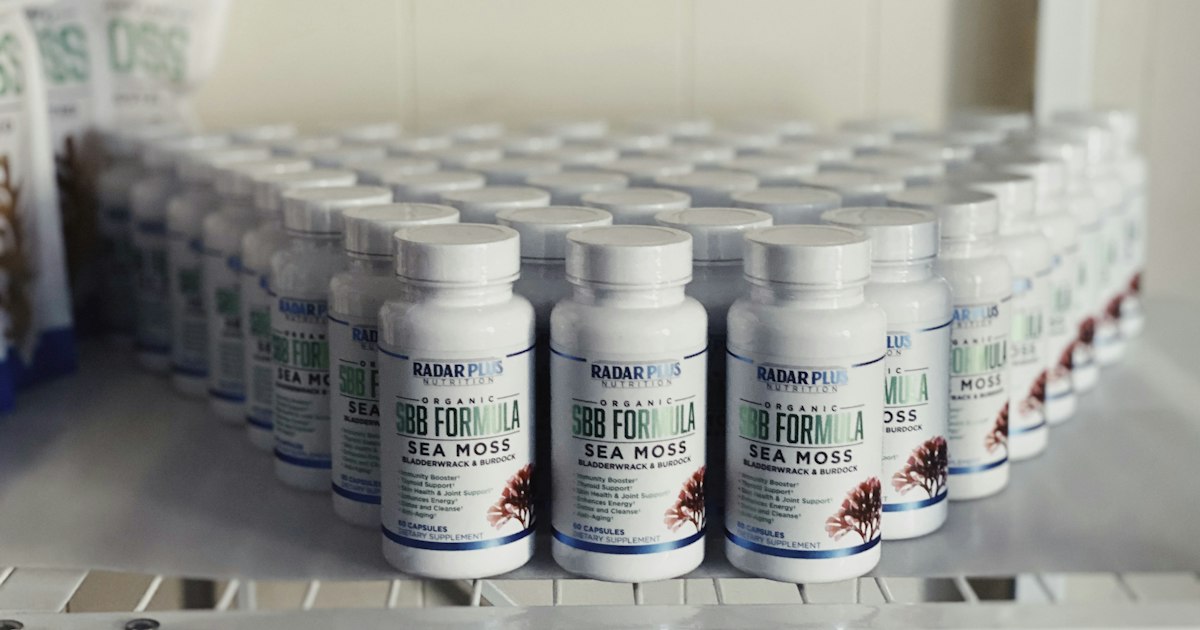
Ecdysterone is often advertised as a supplement that helps you "cut" without losing muscle. The editorial team checked what studies stand behind these promises, whether it has a fat-burning effect and what place it really occupies among the tools for cutting.
What is expected of ecdysterone during cutting
At the cutting stage, the main task is to reduce fat mass without losing muscle. In a calorie deficit, muscle protein synthesis decreases, strength drops, recovery worsens. That is why athletes look for means that will help "protect" the muscles, and ecdysterone is often advertised precisely as such a supplement.
Marketing promises are usually twofold: on the one hand, ecdysterone supposedly supports anabolism and preserves muscle, on the other — it improves metabolism and promotes fat burning. It sounds like an ideal supplement for cutting, especially given that it is "plant-based" and "without hormonal side effects."
The editorial team analyzed which of these claims have a scientific basis. Let us say right away: there are no studies in which ecdysterone was examined specifically in people on a calorie-deficit diet. All conclusions have to be drawn on the basis of studies under ordinary training conditions and animal data.
This is fundamentally important: what works under conditions of a surplus or maintenance of calories does not necessarily work in a deficit, and vice versa.
Preserving muscle: the arguments "for" and "against"
The strongest argument in favor of ecdysterone is the study by Isenmann and colleagues (2019). Young men who trained for ten weeks and received ecdysterone showed a greater increase in muscle mass and strength than the placebo group. If the effect is real, it could theoretically help in a calorie deficit as well.
Laboratory studies support this idea: Gorelick-Feldman and colleagues (2008) showed enhanced protein synthesis in a culture of muscle cells under the action of phytoecdysteroids, and Parr and colleagues (2014) described the mechanism through estrogen receptor beta.
The arguments "against" are no less weighty. Wilborn and colleagues (2006) found no advantages of ecdysterone over placebo in trained men. The Isenmann study was small and needs independent replication. And most importantly — in conditions of a calorie deficit, the effects of any supplement are usually smaller than the effect of properly structured nutrition.
For preserving muscle during cutting, the best-proven factors are: a moderate rather than sharp deficit, high protein intake (according to the recommendations of Helms and colleagues (2014) — 2.3–3.1 g per kilogram of lean mass during a deficit for trained athletes) and maintaining the intensity of strength training. Only after this can one talk about any supplements.
Does ecdysterone help burn fat
The idea of a "fat-burning" effect rests on animal studies. Kizelsztein and colleagues (2009) showed that in mice on a high-calorie diet, 20-hydroxyecdysone reduced weight gain and fat mass, improved insulin sensitivity and glucose levels. Similar metabolic effects have been described in female rats after removal of the ovaries (Seidlová-Wuttke et al., 2010).
However, results in rodents that received the substance against a background of obesity cannot be automatically transferred to athletes with a moderate level of fat. In humans there is no convincing data on accelerated weight loss. In the Isenmann study, muscle mass and strength were assessed primarily, not fat loss.
Ecdysterone is not a stimulant: it does not raise heart rate, does not suppress appetite and does not increase energy expenditure, as caffeine or synephrine do. Therefore it should not be compared with "fat burners" or expected to have an effect that is felt immediately.
The editorial team sums up: to date there is no evidence that ecdysterone accelerates fat loss in humans. If the effect exists at all, it is negligible compared with a calorie deficit.
Risks: composition, doping and combination products
During cutting, people especially often buy combination products in which ecdysterone is mixed with stimulants, plant-based diuretics, "testosterone boosters" and other components. The effect of such mixtures is hard to assess, and the risks accumulate.
- Discrepancy of composition:analyses by Ambrosio and colleagues (2020) showed that the ecdysterone content in many supplements did not match what was stated on the label.
- Contamination:sports supplements sometimes contain undeclared anabolic steroids or stimulants, which can lead to a positive doping test and health problems.
- WADA status:ecdysterone is on the Monitoring Program; athletes should check the current Prohibited List every year.
- Stimulants in complexes:raise blood pressure and heart rate, worsen sleep — and poor sleep during cutting in itself promotes muscle loss.
As for ecdysterone itself: in published human studies no serious side effects have been described, and reviews of preclinical data indicate low toxicity (Lafont, Dinan, 2003). But there are few long-term safety studies, and there are no data on intake during pregnancy or against the background of chronic diseases.
There is no scientifically substantiated dosage: the doses recommended by manufacturers differ significantly. If you decide to try it, choose a single-ingredient product from a manufacturer with certificates of analysis, do not exceed the dose indicated on the label and do not combine several products with ecdysterone.
How to set priorities during cutting
To understand the place of ecdysterone, let us compare it with other tools used during cutting. The table below reflects the level of evidence, not advertising popularity.
| Tool | Role during cutting | Level of evidence |
|---|---|---|
| Moderate calorie deficit | The basis of fat loss | High |
| High-protein nutrition | Preserving muscle, satiety | High |
| Strength training | A signal to preserve muscle | High |
| Creatine monohydrate | Support of strength and training volume | High for performance |
| Caffeine | Performance, appetite control | Moderate–high |
| Ecdysterone | Possible support of anabolism | Low, no studies during cutting |
The table shows that ecdysterone can only be a supplement for those who have already set up their nutrition, training and recovery. If the budget is limited, it is more rational to spend it on quality protein and creatine.
Track progress by objective indicators: weight, girths, photos, strength results in compound exercises. If strength is stable and waist girths are decreasing, the cut is going correctly, with or without a supplement.
Finally, remember the duration: the longer and stricter the cut, the greater the risk of muscle loss and worsening of the hormonal state. Periods of maintenance calories and a moderate rate of weight loss protect muscle better than any supplement.
Editorial conclusions
Ecdysterone during cutting is a supplement with a limited evidence base. There are no direct human studies under conditions of a calorie deficit, and the positive data on muscle were obtained in a small study on young men without a diet.
A fat-burning effect has been shown only in obese rodents; in humans it has not been confirmed. Ecdysterone is not a stimulant and does not replace a calorie deficit.
The basis of a successful cut is a moderate deficit, high protein, strength training, sleep and creatine. Ecdysterone can be considered only as an experimental supplement, choosing single-ingredient products with a verified composition and remembering the WADA status.
We also recommend reading "Omega-3 during cutting: does it help," "The history of Ecdysterone: how the supplement became popular" and "Ecdysterone after 40."
References
- Isenmann E, Ambrosio G, Joseph JF, et al. Ecdysteroids as non-conventional anabolic agent: performance enhancement by ecdysterone supplementation in humans. Arch Toxicol. 2019;93(7):1807–1816.
- Wilborn CD, Taylor LW, Campbell BI, et al. Effects of methoxyisoflavone, ecdysterone, and sulfo-polysaccharide supplementation on training adaptations in resistance-trained males. J Int Soc Sports Nutr. 2006;3:19–27.
- Gorelick-Feldman J, MacLean D, Ilic N, et al. Phytoecdysteroids increase protein synthesis in skeletal muscle cells. J Agric Food Chem. 2008;56(10):3532–3537.
- Parr MK, Zhao P, Haupt O, et al. Estrogen receptor beta is involved in skeletal muscle hypertrophy induced by the phytoecdysteroid ecdysterone. Mol Nutr Food Res. 2014;58(9):1861–1872.
- Kizelsztein P, Govorko D, Komarnytsky S, et al. 20-Hydroxyecdysone decreases weight and hyperglycemia in a diet-induced obesity mice model. Am J Physiol Endocrinol Metab. 2009;296(3):E433–E439.
- Ambrosio G, Wirth D, Joseph JF, et al. How reliable is dietary supplement labelling? — Experiences from the analysis of ecdysterone supplements. J Pharm Biomed Anal. 2020;177:112877.
- Helms ER, Aragon AA, Fitschen PJ. Evidence-based recommendations for natural bodybuilding contest preparation: nutrition and supplementation. J Int Soc Sports Nutr. 2014;11:20.
- Lafont R, Dinan L. Practical uses for ecdysteroids in mammals including humans: an update. J Insect Sci. 2003;3:7.
Andriy Melnyk
A strength-sports coach and author of programs for beginner and intermediate levels. Writes about training planning.